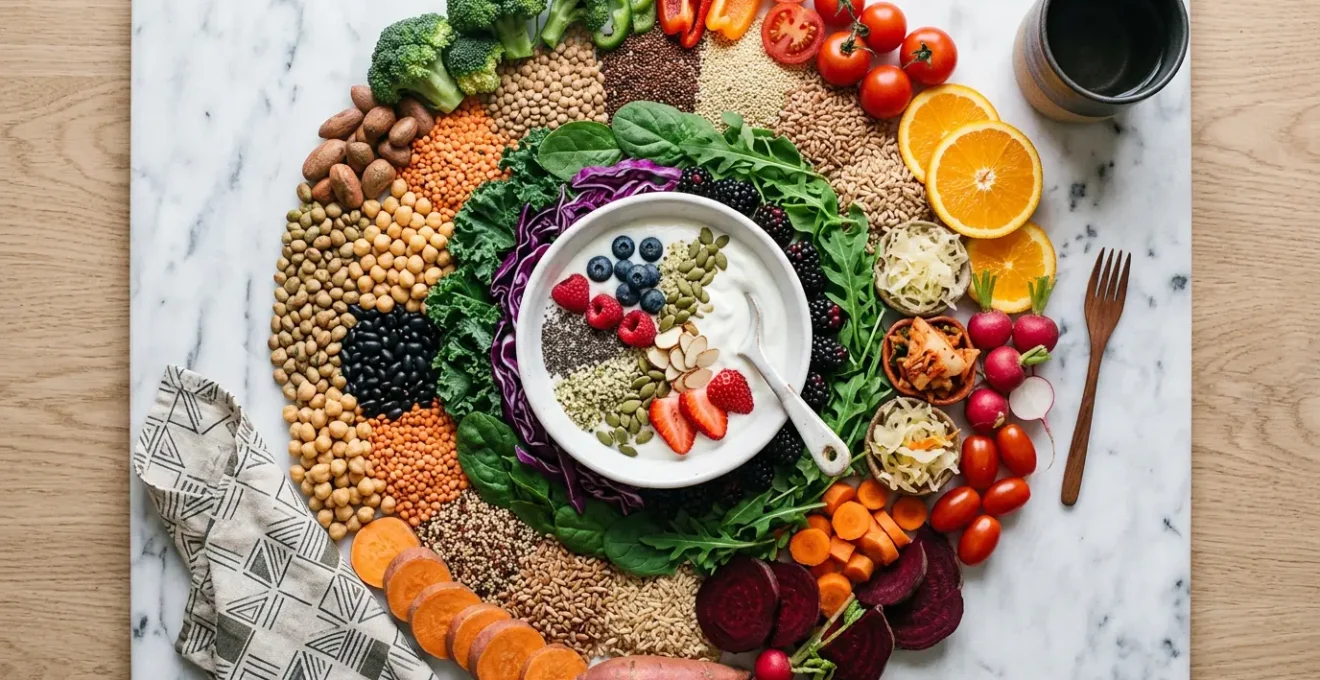
The key to resolving chronic fatigue, low mood, and weak immunity isn’t just eating ‘healthy’—it’s understanding and reversing the specific biochemical damage in your gut.
- Systemic inflammation, often starting in the gut, is a primary driver of mood disorders and metabolic disease.
- A diet rich in diverse plant fibres and fermented foods directly increases gut microbe diversity and reduces inflammatory markers more effectively than supplements alone.
Recommendation: Focus on strategic eating to feed your microbiome—aiming for 30+ unique plant foods weekly—to rebuild your gut lining and calm systemic inflammation.
If you’re constantly feeling bloated, foggy-headed, and tired, you’ve likely tried the usual advice. You’ve cut out sugar, tried to manage stress, and maybe even taken a generic probiotic. Yet, the persistent fatigue, unpredictable moods, and nagging feeling of being ‘off’ remain. This frustration is common because most gut-health advice focuses on general rules without explaining the underlying cause. It tells you *what* to do, but not *why* it works, leaving you guessing when things don’t improve.
The truth is, your gut is a complex ecosystem. Issues like low mood, brain fog, and even a tendency to catch every cold that goes around are often symptoms of a deeper imbalance—a disruption in the communication between your gut and the rest of your body. This isn’t just about digestion; it’s about inflammation, nutrient production, and hormonal regulation. The missing link for so many people is not a lack of effort, but a lack of understanding of the precise mechanisms at play.
What if the real solution wasn’t another restrictive diet, but a strategic plan to rebuild your gut’s microbial community from the ground up? This article moves beyond platitudes. We will explore the science of the gut-brain-immune axis in a way you can actually use. We’ll show you how to feed your beneficial bacteria for maximum diversity, identify the fastest way to reduce inflammation based on clinical research, and provide a clear protocol for recovering your gut after it’s been compromised. It’s time to stop guessing and start managing your gut health with intention.
This comprehensive guide provides a science-backed, actionable framework to restore your gut’s ecosystem. Below is a summary of the key areas we will cover to help you reclaim your energy, mood, and overall well-being.
Summary: Your Roadmap to Restoring the Gut Ecosystem
- Why Your Persistent Low Mood Might Actually Start in Your Digestive System?
- How to Feed 30 Different Plant Foods to Your Gut Bacteria Every Week?
- Probiotics, Prebiotics, or Fermented Foods: Which Actually Improves Gut Health Fastest?
- How to Find Your Personal Trigger Foods Without an Extreme Elimination Diet?
- The 6-Week Gut Recovery Protocol After a Course of Antibiotics
- The 8 Physical Symptoms That Reveal Your Stress Has Become Chronic
- Why Your Body Stops Responding to Insulin and How This Process Takes 10 Years?
- Why You Might Be Developing Diabetes for Years Before Any Blood Test Shows It?
Why Your Persistent Low Mood Might Actually Start in Your Digestive System?
The connection between your gut and your brain is not just a vague concept; it’s a physical and biochemical superhighway called the gut-brain axis. A primary way your gut influences your mood is through the production of Short-Chain Fatty Acids (SCFAs), particularly one called butyrate. This crucial compound is produced when your gut bacteria ferment dietary fibre. Butyrate is the main energy source for the cells lining your colon, helping to maintain a strong gut barrier. When this barrier is weak, inflammatory molecules can “leak” into your bloodstream, triggering body-wide inflammation that directly impacts the brain.
This process, known as neuroinflammation, is increasingly recognised as a major biological factor in mood disorders. In fact, cutting-edge research shows that individuals with depression exhibit 10-50% lower butyrate levels, linking a specific gut deficiency to a mental health condition. This isn’t just a correlation; it’s a mechanism. Low butyrate weakens the gut lining, increases inflammation, and disrupts the production of neurotransmitters like serotonin, over 90% of which is made in the gut.
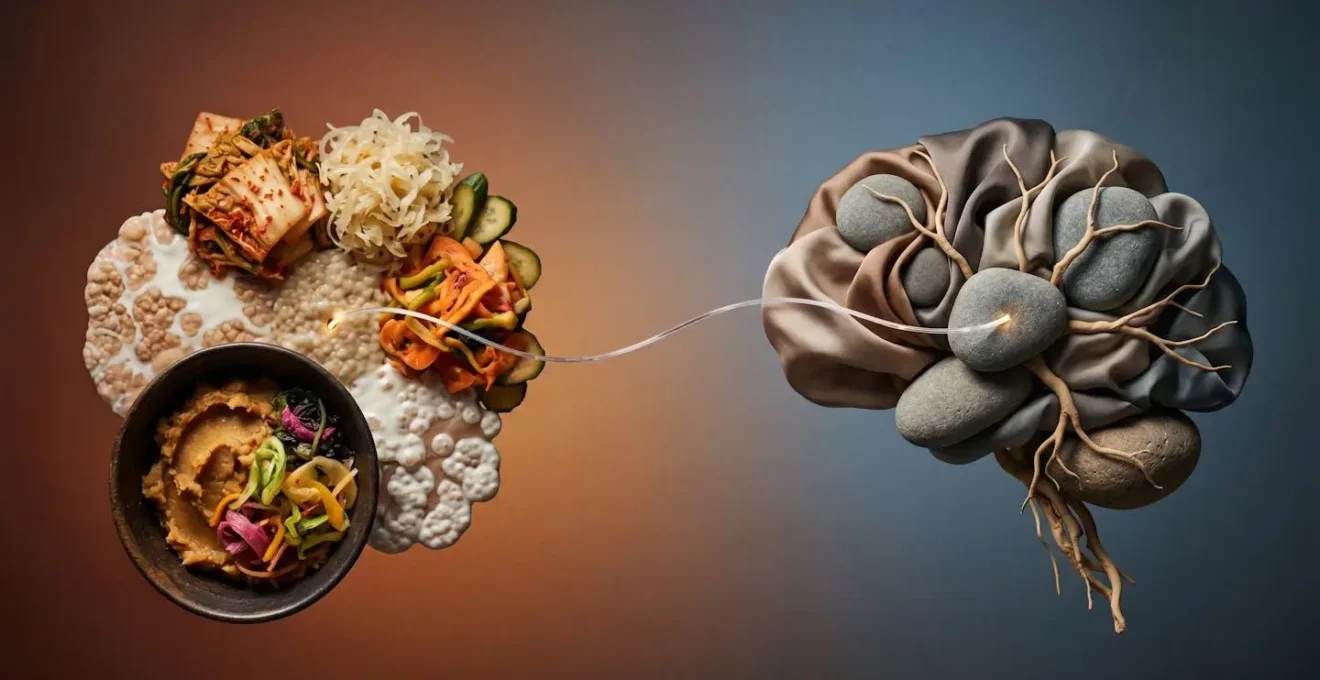
This image symbolises the direct dialogue between your digestive system and your brain. When gut health is compromised, the signals sent to the brain become inflammatory, contributing to feelings of anxiety, fatigue, and depression. Therefore, addressing a persistent low mood often requires a strategy that starts not in the head, but in the gut, by nourishing the bacteria responsible for producing anti-inflammatory compounds like butyrate. Restoring this microbial balance is a foundational step in calming the inflammatory signals that can subjugate the brain.
How to Feed 30 Different Plant Foods to Your Gut Bacteria Every Week?
The single most powerful strategy for improving your gut health is increasing the diversity of your microbiome. A diverse ecosystem is a resilient one, capable of producing a wide range of beneficial compounds and outcompeting harmful bacteria. The most direct way to achieve this is by eating a wide variety of plant-based foods. This isn’t just about eating more vegetables; it’s about eating a greater number of *different* kinds of plants. This is where the “30 plants a week” rule comes from.
This target isn’t arbitrary. Landmark research from the American Gut Project found that participants consuming 30+ different plant types per week had significantly more diverse gut microbiomes than those eating 10 or fewer. Each type of plant provides unique fibres and polyphenols that feed different species of bacteria. Think of it like cultivating a rainforest versus a monoculture lawn; diversity breeds strength and stability. Hitting 30 may sound daunting, but it’s more achievable than you think when you expand your definition of a “plant”.
This count includes not just fruits and vegetables, but also whole grains, legumes, nuts, seeds, herbs, and spices. Even coffee and dark chocolate count. The key is to make small, consistent additions and swaps. Instead of buying one type of lettuce, get a bag of mixed greens. Instead of just almonds, get a mixed nut blend. By focusing on variety over quantity, you provide your gut with the broad spectrum of nutrients it needs to thrive. This approach shifts the focus from restriction to abundance, making healthy eating a more enjoyable and sustainable practice.
- Herbs and Spices: Basil, oregano, turmeric, and cinnamon all count as a “plant point.”
- Mixed Varieties: A bag of mixed salad greens can instantly provide 5-8 plant points.
- Snacks: A handful of trail mix with different nuts, seeds, and dried fruits can contribute 8-10 points.
- Frozen and Canned: These options count equally and are often more affordable. A can of mixed beans adds several points easily.
- Grains and Legumes: Rotate between oats, quinoa, brown rice, lentils, and chickpeas throughout the week.
- Beverages & Treats: Coffee, tea, and dark chocolate (70%+ cocoa) each count as one point.
Probiotics, Prebiotics, or Fermented Foods: Which Actually Improves Gut Health Fastest?
The gut health market is flooded with options, from probiotic capsules to prebiotic powders. While these can be useful, a growing body of evidence suggests that for rapid, measurable improvements in gut diversity and inflammation, whole fermented foods may be superior. Probiotic supplements typically contain a few billion CFUs of a handful of bacterial strains. In contrast, fermented foods like yoghurt, kefir, kimchi, and sauerkraut offer a complex ecosystem of live microbes in a food matrix that helps them survive the journey to your gut.
This very question was put to the test in a high-impact clinical trial that provides a clear answer. The findings offer a powerful insight into how simple dietary changes can produce significant biological effects.
Stanford Study: Fermented Foods vs. High-Fibre Diet
In a 10-week randomised clinical trial involving 36 healthy adults, researchers at Stanford School of Medicine compared the effects of two different diets. One group was assigned a high-fibre diet, rich in prebiotics. The second group was assigned a diet rich in fermented foods. The results were striking: the fermented-food group showed a significant increase in gut microbiome diversity and, critically, a decrease in 19 different inflammatory protein markers. The high-fibre group, despite consuming gut-healthy prebiotics, showed no such increase in diversity or significant drop in the same inflammatory markers over the 10-week period.
This suggests that while fibre is essential for *feeding* your existing bacteria, fermented foods may be more effective at *introducing* new, beneficial strains and quickly modulating the immune system. Dr. Justin Sonnenburg, an associate professor at Stanford and a lead author of the study, highlighted the significance of this discovery:
This is a stunning finding. It provides one of the first examples of how a simple change in diet can reproducibly remodel the microbiota across a cohort of healthy adults.
– Dr. Justin Sonnenburg, Stanford School of Medicine, 2021
For anyone looking for the fastest way to improve gut health, particularly to lower inflammation, the evidence points towards incorporating a variety of fermented foods daily. This doesn’t negate the importance of prebiotics (fibre), but it positions fermented foods as a powerful first-line intervention.
How to Find Your Personal Trigger Foods Without an Extreme Elimination Diet?
Many people who suspect food sensitivities are told to follow highly restrictive elimination diets like the Low-FODMAP diet or AIP. While these can be effective, they are also socially isolating, difficult to maintain, and can unnecessarily demonise whole categories of healthy foods. A more sustainable and personalised approach is to become a detective of your own body through mindful tracking. This method avoids drastic changes and instead uses careful observation to pinpoint your specific triggers.
The goal is not to eliminate everything at once, but to systematically identify patterns between what you eat and how you feel. It acknowledges that sensitivity is often about cumulative load rather than a single “bad” food. For example, you might be fine eating bread on its own, but experience bloating when you have bread, cheese, and wine together. A mindful journal helps you spot these combinations and understand your personal thresholds without giving up foods you enjoy and tolerate well in moderation.
This process empowers you to create a diet based on your unique biology, not on generic rules. It requires patience but rewards you with a deep understanding of your body and a less restrictive, more enjoyable way of eating for the long term. The following plan outlines a structured approach to this self-discovery.
Your Action Plan: The Mindful Food & Symptom Journal Method
- Establish Your Baseline (Week 1): Track everything you eat and drink for 7 days. In parallel, note your symptoms (bloating, energy levels, mood, skin), stress levels, and sleep quality, including the time they occur.
- Identify Patterns (Week 2-3): Review your journal. Look for foods or food combinations that consistently appear 2-6 hours before a symptom flare-up. Circle your top 1-2 suspects (e.g., dairy, gluten, or high-fructose fruits).
- Test Your Suspects (Week 4-6): Remove only your top suspect food for 3 weeks. Continue journaling all other foods and symptoms to see if there’s a noticeable improvement. Don’t change anything else.
- Controlled Reintroduction (Week 7): Mindfully reintroduce the eliminated food. Consume a normal portion 2-3 times over 3 days and carefully document any returning symptoms. This confirms the link.
- Adjust and Personalise (Week 8+): Based on the clear evidence from your journal, make informed decisions. You may need to avoid a food completely, reduce its frequency, or simply avoid combining it with other triggers.
The 6-Week Gut Recovery Protocol After a Course of Antibiotics
Antibiotics can be life-saving, but they are indiscriminate, wiping out beneficial gut bacteria along with harmful ones. This microbial “scorched earth” can leave you vulnerable to digestive issues, weakened immunity, and long-term imbalances. While the gut has a remarkable ability to recover, it doesn’t always bounce back completely on its own. In fact, a major study published in Nature Microbiology found that while most gut microbiota recovered to near-baseline within 1.5 months, nine common and important beneficial species remained undetectable even after 180 days. This highlights the need for a proactive recovery strategy.
A common mistake is to immediately mega-dose with standard probiotics. However, some research suggests this can actually delay the natural recovery of your unique microbial fingerprint. A more strategic approach involves a phased protocol that first soothes the gut lining, then selectively reseeds with beneficial microbes, and finally rebuilds a diverse and resilient ecosystem with targeted foods.
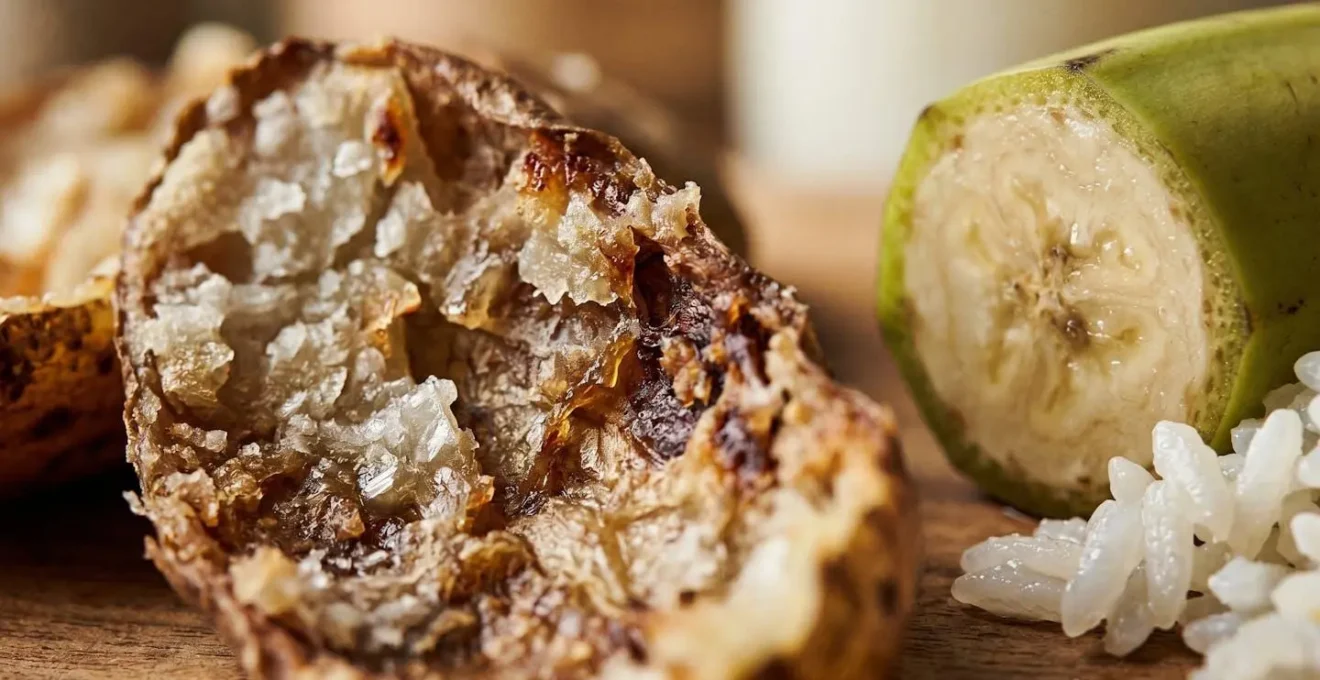
This protocol focuses on nourishing the gut at each stage of its recovery. It prioritises easily digestible foods initially, followed by the introduction of specific beneficial yeast and fermented foods. The final phase is all about rebuilding diversity with a wide array of prebiotic fibres and resistant starches—found in foods like cooled potatoes and green bananas—which are particularly effective at feeding the bacteria that produce healing butyrate. Following a structured plan like this can help ensure your gut doesn’t just recover, but comes back stronger.
- Week 1-2 (Soothe & Repair): Focus on easily digestible foods like bone broth, cooked vegetables, and stewed fruits. Avoid high-dose probiotics at this stage to allow your native microbes to begin their return.
- Week 3-4 (Reseed): Introduce Saccharomyces boulardii, a beneficial yeast that isn’t harmed by antibiotics. Begin adding small amounts (1-2 tablespoons daily) of diverse fermented foods like kefir, sauerkraut, or kimchi.
- Week 5-6 (Rebuild & Diversify): Shift focus to prebiotic fibre diversity. Aim for 20-30 different plant foods weekly, specifically including sources of resistant starch (cooled potatoes, green bananas) and inulin (garlic, onions, leeks) to fuel butyrate production.
The 8 Physical Symptoms That Reveal Your Stress Has Become Chronic
Stress isn’t just a feeling; it’s a powerful physiological event that directly impacts your gut. Short-term stress can cause temporary digestive upset, but chronic stress unleashes a cascade of events that systematically dismantle gut health and manifest as physical symptoms throughout the body. Understanding these signs is crucial because they are often the first clue that your stress has become a chronic problem that requires intervention.
One of the most immediate effects of chronic stress is the suppression of the vagus nerve, the main communication line between your brain and your digestive system. This shutdown reduces stomach acid and digestive enzyme production, leading to poor digestion. At the same time, stress hormones increase intestinal permeability, often called “leaky gut.” This allows undigested food particles and bacterial toxins to enter the bloodstream, triggering an immune response and systemic inflammation. This inflammation is the root cause of many seemingly unrelated physical symptoms.
These symptoms are not “all in your head”; they are tangible signs of a gut-brain axis in distress. Recognising them as signals from your gut can be the first step towards connecting your mental state with your physical health and taking action to manage both.
- Chronic fatigue despite adequate sleep: Stress-induced gut inflammation increases inflammatory cytokines that signal ‘sickness behaviour’ to the brain.
- New or worsening food sensitivities: Increased intestinal permeability allows food particles to cross the gut barrier, triggering immune reactions.
- Persistent digestive issues: Reduced vagus nerve activity from stress impairs stomach acid and enzyme production, causing bloating, reflux, and irregular bowels.
- Undigested food in stool: A clear sign of poor enzyme secretion due to vagus nerve suppression.
- Skin issues (eczema, rosacea, acne): These are often external manifestations of internal gut inflammation driven by the stress-gut-skin axis.
- Brain fog and difficulty concentrating: Inflammatory molecules (LPS endotoxins) from the gut can cross the blood-brain barrier, impairing cognitive function.
- Frequent infections: A chronically stressed gut weakens your immune system’s ability to fight off pathogens.
- Mood swings, anxiety, or depression: Stress-induced dysbiosis reduces the gut’s production of mood-regulating neurotransmitters like serotonin and GABA.
Why Your Body Stops Responding to Insulin and How This Process Takes 10 Years?
Insulin resistance is a condition where your body’s cells no longer respond properly to the hormone insulin, forcing your pancreas to work overtime to keep blood sugar levels in check. It’s the precursor to type 2 diabetes and a host of other metabolic problems. While it’s often linked to diet and lifestyle, a critical and often overlooked factor is the health of your gut. The process by which a compromised gut contributes to insulin resistance is a slow, silent one that can unfold over a decade or more.
The mechanism begins with a condition called dysbiosis, an imbalance in your gut bacteria, often coupled with increased intestinal permeability (“leaky gut”). This allows inflammatory bacterial fragments, most notably Lipopolysaccharides (LPS), to leak from the gut into the bloodstream. This low-grade, chronic leakage of toxins is known as metabolic endotoxemia.

Once in circulation, these LPS molecules trigger a body-wide, low-level inflammatory response. Crucially, this inflammation directly interferes with how your cells’ insulin receptors function. The receptors become “numb” to insulin’s signal. As one synthesis of the research explains, this provides a direct link between gut health and metabolic disease. Over years, your body must produce more and more insulin to get the same job done—a state of high insulin known as hyperinsulinemia—which itself drives further weight gain and inflammation, creating a vicious cycle. This entire process happens silently, long before blood sugar levels rise enough to be flagged on a standard medical test.
Key Takeaways
- The diversity of your gut microbiome, best achieved by eating 30+ different plant foods weekly, is a top predictor of overall health.
- For rapid improvements in gut diversity and reduced inflammation, consuming fermented foods like kefir and kimchi may be more effective than high-fibre diets or standard probiotics alone.
- Chronic, low-grade inflammation, often caused by bacterial toxins (LPS) leaking from the gut, is a primary driver of modern diseases like depression and insulin resistance.
Why You Might Be Developing Diabetes for Years Before Any Blood Test Shows It?
Type 2 diabetes doesn’t appear overnight. It is the end result of a long, slow decline in metabolic health, primarily driven by years of worsening insulin resistance. The reason it can develop for a decade or more before being detected by a standard blood test lies in your body’s remarkable ability to compensate. A standard test measures fasting blood glucose. For years, your pancreas can manage to keep this number in the normal range by producing progressively larger amounts of insulin to overcome your cells’ resistance.
This state of high insulin (hyperinsulinemia) is the real problem, but it’s not typically measured in a routine check-up. All the while, this excessive insulin is promoting fat storage, increasing inflammation, and further damaging your metabolic health. The diagnosis of pre-diabetes or diabetes only comes when your pancreas finally begins to tire and can no longer produce enough insulin to keep your blood sugar down. At this point, the underlying metabolic damage is already extensive.
This is where gut health becomes a central part of the story. As pioneering research demonstrates that people with chronic health conditions like diabetes and inflammatory bowel disease consistently have microbial profiles that lack diversity. This lack of diversity perpetuates a state of “leaky gut,” allowing the chronic leakage of inflammatory bacterial toxins (LPS) that silently drive insulin resistance year after year. As the scientific consensus states, this low-level endotoxemia is the engine of the silent damage.
Therefore, the most proactive strategy for preventing metabolic disease is not to wait for your blood sugar to rise, but to focus on healing and sealing the gut lining now. By increasing microbial diversity and reducing the inflammatory load originating from your gut, you can help restore your body’s sensitivity to insulin and halt the silent progression towards diabetes long before it ever shows up on a lab report.
By focusing on the root causes within your digestive ecosystem, you can move beyond simply managing symptoms and begin a journey of profound, whole-body healing. To put these principles into practice, the next logical step is to assess your unique situation and build a personalised nutrition plan that prioritises microbial diversity and gut lining integrity.