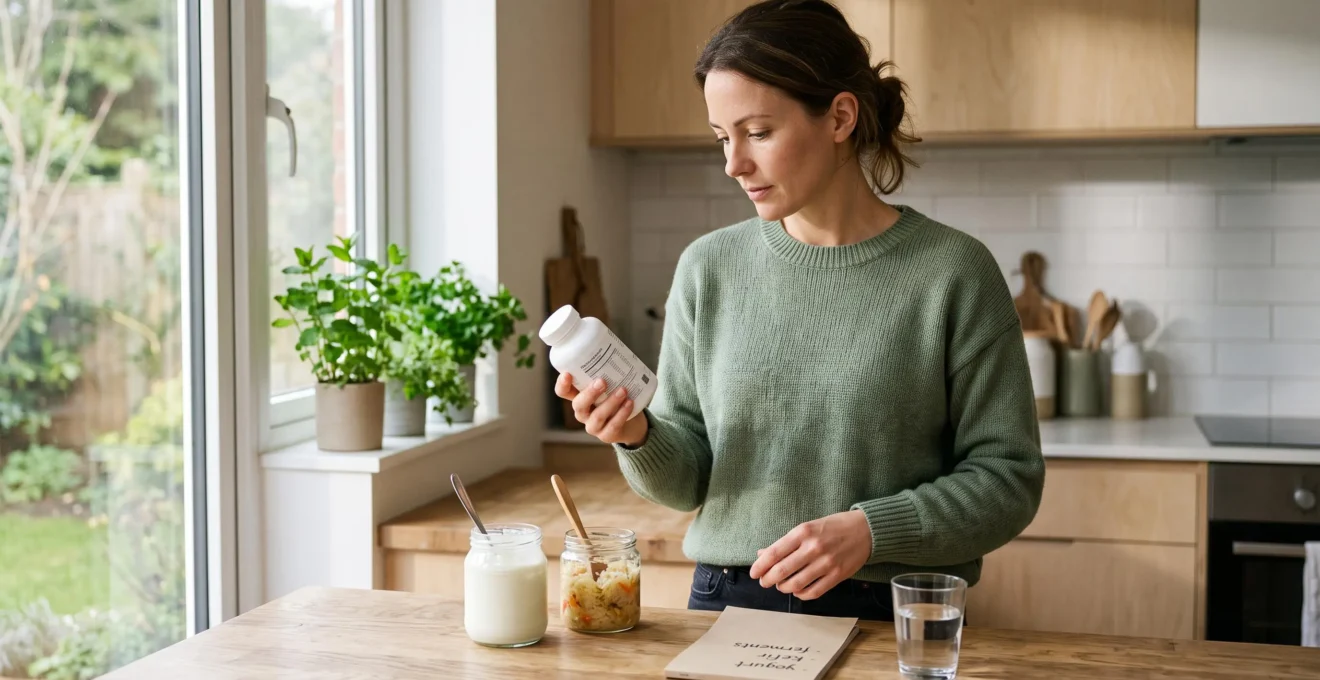
If you’ve recently finished a course of antibiotics and noticed your digestion feels off—bloating, irregular bowel movements, or general digestive discomfort—you’re not alone. Antibiotics disrupt the delicate balance of your gut microbiota, and that disruption can linger. The good news? Probiotics, combined with the right dietary habits, can help restore digestive comfort and rebuild the microbial diversity your gut needs to function well.
This guide walks you through what antibiotics do to your gut, how probiotics support recovery, which strains and dosages matter, what foods to prioritize, and how long realistic recovery takes. You’ll learn to evaluate supplements on concrete criteria rather than marketing promises, recognize when to see a healthcare professional, and build a practical plan that works for your daily routine.
What Do Antibiotics Really Do to Your Gut Microbiota?
Direct answer: Antibiotics can significantly reduce the diversity and abundance of beneficial bacteria in your gut microbiota, leading to digestive discomfort such as bloating, diarrhea, or irregular bowel movements. Probiotics—live microorganisms that confer health benefits when consumed in adequate amounts—can help restore microbial balance and support digestive recovery, though effectiveness depends on the specific strains, dosage, and timing of intake.
Antibiotics are designed to kill or inhibit bacteria causing infections. They do this job well, but they cannot distinguish between harmful pathogens and the hundreds of beneficial bacterial species living in your digestive tract. The CDC guidance on antibiotics and gut microbiome explains that antibiotics disrupt microbiome balance by reducing the number and variety of helpful bacteria, and these effects can last for several months.
Your gut microbiota—the trillions of microorganisms residing primarily in your large intestine—plays essential roles in digestion, immune function, and even mood regulation. When antibiotic treatment reduces microbial diversity, you may experience symptoms such as bloating, changes in bowel habits, gas, or a general sense that your stomach “has been off” since finishing your prescription.
This is where probiotics come in. According to the World Health Organization (WHO) and the Food and Agriculture Organization (FAO), probiotics are defined as live microorganisms that, when administered in adequate amounts, confer a health benefit on the host. Common probiotic genera include Lactobacillus and Bifidobacterium, which have been studied for their role in supporting digestive health, particularly after antibiotic use.
The National Institutes of Health (NIH) Office of Dietary Supplements notes that the health benefits of a probiotic depend more on the specific microorganisms it contains—down to the strain level—than simply on the number of organisms present. This means not all probiotics are created equal, and choosing the right product requires understanding which strains have been studied for antibiotic-associated digestive issues.
A meta-analysis on probiotics and antibiotic diarrhea published in JAMA reviewed 63 randomized controlled trials involving 11,811 participants and found that probiotic administration was significantly associated with reduced antibiotic-associated diarrhea, with a number needed to treat of 13. However, the review also noted significant variability across studies and often poor documentation of specific strains, underscoring the importance of selecting well-characterized products.
Rebuilding your gut microbiota after antibiotics is not instant, and it involves more than just picking a supplement off the shelf. It requires understanding what to look for, supporting your microbiota with the right foods, and being patient with realistic recovery timelines. If you’re looking for a reliable starting point, online pharmacies such as Euro-Pharmas offer curated selections of digestive supplements with transparent strain and dosage information, plus convenient delivery options for U.S. customers.
How Probiotics Support Digestion After Antibiotics
Probiotics support post-antibiotic digestion through several mechanisms. They help repopulate beneficial bacteria, compete with potentially harmful microbes for nutrients and attachment sites in the gut lining, support the production of short-chain fatty acids that nourish intestinal cells, and may help modulate immune responses in the gut-associated lymphoid tissue.
However, the effectiveness of a probiotic depends heavily on the specific strains it contains and the dosage measured in colony-forming units (CFUs). CFU is a measure of viable bacterial cells, and probiotic supplements typically contain billions of CFUs per dose. According to the NIH fact sheet on probiotic CFU labeling, CFU counts can decline over time from manufacture to use, so labels guaranteeing CFUs through the expiration date are considered more reliable than those listing CFUs only at the time of manufacture.
Strains that have been studied in the context of antibiotic-associated digestive issues include Lactobacillus rhamnosus GG, Saccharomyces boulardii (a beneficial yeast), and various Bifidobacterium species. The JAMA review found that most trials used Lactobacillus-based interventions, though strain documentation was often incomplete, making it difficult to identify universally “best” strains for all individuals.
When it comes to timing, research suggests potential benefits from taking probiotics both during and after antibiotic treatment. Taking probiotics a few hours apart from your antibiotic dose—for example, if you take your antibiotic in the morning, take your probiotic in the evening—may help minimize direct interaction. Continuing probiotics for several weeks after finishing antibiotics supports ongoing microbial recovery, though exact duration varies by individual circumstances.
Scientific context: The evidence for probiotics is strain-specific and context-dependent. While the overall signal from research is positive for reducing antibiotic-associated diarrhea, individual responses vary, and probiotics are not a replacement for medical care if symptoms are severe or persistent.
How to Choose the Right Probiotic Supplement
Choosing a probiotic supplement after antibiotics means evaluating products on concrete, verifiable criteria rather than marketing claims. Here are the key factors to check before you buy.
Strain identification
Look for products that list the genus, species, and strain of each probiotic organism. For example, “Lactobacillus rhamnosus GG” tells you the genus (Lactobacillus), species (rhamnosus), and strain (GG). Generic labels such as “probiotic blend” or “gut health complex” without specific strain information make it impossible to verify whether the product contains strains with documented benefits.
CFU count and guarantee
Check the total CFU count per serving. Common dosages for digestive support range from 1 billion to 10 billion CFUs per day, though higher counts are not automatically better. More important is whether the manufacturer guarantees the CFU count through the expiration date rather than only at manufacture. Probiotic viability declines over time, especially with improper storage, so an expiration-date guarantee offers more reliability.
Storage and packaging
Some probiotics require refrigeration to maintain viability, while others use shelf-stable strains or protective packaging. Check the label for storage instructions and choose a format that fits your lifestyle. Blister packs and dark bottles can help protect probiotics from moisture and light.
Quality markers
Look for products manufactured according to Good Manufacturing Practices (GMP) or third-party tested for purity and potency. While dietary supplements in many countries are not pre-approved for efficacy, quality certifications can offer some reassurance about what is actually in the bottle.
Probiotic selection checklist
- Genus, species, and strain clearly listed on the label
- CFU count guaranteed through expiration date, not just at manufacture
- Storage instructions you can realistically follow (refrigerated vs. shelf-stable)
- Quality certifications such as GMP or third-party testing
- Strains with documented use in digestive or antibiotic-related contexts
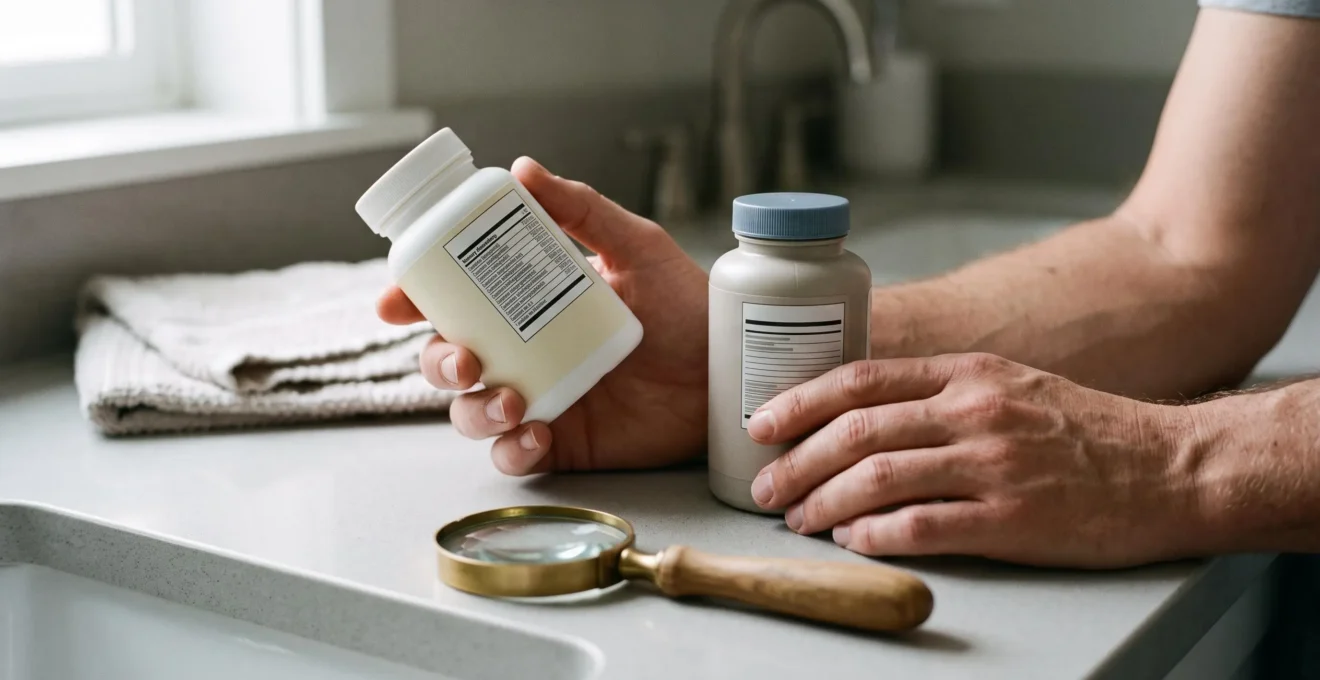
When you’re comparing products, it can help to physically compare labels side by side, checking each of these criteria before making a decision. The goal is to move past general “digestive health” claims and evaluate what the product actually delivers.
Rebuilding Your Gut with Food: Fermented Foods and Daily Habits
Probiotic supplements are one tool, but rebuilding your gut microbiota also depends on what you eat every day. Your diet provides both probiotics from fermented foods and prebiotics—the fiber and compounds that feed beneficial bacteria already in your gut.
Fermented foods rich in live cultures
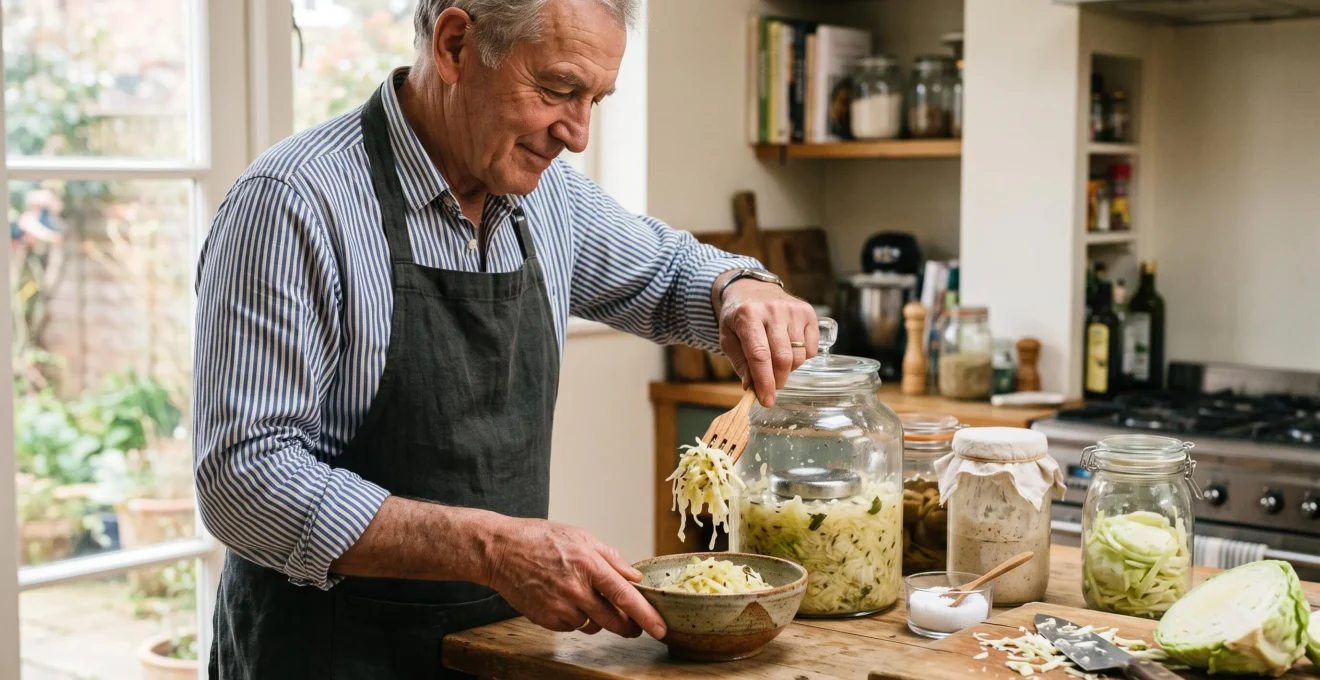
Fermented foods naturally contain live microorganisms and can complement or, in some cases, partially replace supplementation. Examples include plain yogurt with live active cultures, kefir, sauerkraut, kimchi, miso, tempeh, and some aged cheeses. When choosing these foods, look for labels indicating “live and active cultures” or unpasteurized varieties, since pasteurization kills the beneficial microbes.
Prebiotics and fiber
Prebiotics are non-digestible fibers that beneficial bacteria ferment in your colon, producing short-chain fatty acids that support gut health. Foods high in prebiotics include garlic, onions, leeks, asparagus, bananas (especially slightly underripe), oats, apples, and flaxseeds. Eating a variety of fiber-rich plant foods helps diversify the fuel available to your gut microbiota.
Hydration and overall habits
Adequate hydration supports digestion and the mucosal lining of your intestines. Aim to drink water consistently throughout the day. Additionally, managing stress, getting sufficient sleep, and engaging in regular physical activity all influence gut health, though the mechanisms are complex and individual.
Your gut and immune system are closely linked; in fact, a significant portion of your immune cells reside in gut-associated tissues. Supporting gut health can have broader effects on immunity and wellbeing, making dietary and lifestyle habits an important part of recovery after antibiotics.
The integrity of your intestinal barrier—often referred to as gut permeability—also depends on a balanced microbiota. If you’re interested in understanding more about how to support this barrier function, exploring strategies to strengthen intestinal integrity can provide additional context for your gut health journey.
How Long Does It Take to Restore Your Gut After Antibiotics?
One of the most common questions after finishing antibiotics is: how long until my digestion feels normal again? The honest answer is that recovery timelines vary significantly depending on the type of antibiotic, duration of treatment, your baseline gut health, diet, and individual factors.
According to the CDC, the effects of antibiotics on the gut microbiome can last for several months. Some research suggests that while many bacterial populations begin to recover within a few weeks, full restoration of pre-antibiotic diversity and composition can take months and, in some cases, may not completely return to the original state.
Typical timelines you might expect include noticeable improvement in acute symptoms such as diarrhea or bloating within one to two weeks of starting probiotics and dietary changes, gradual normalization of bowel habits over two to four weeks, and ongoing microbial rebalancing over several months. These are general estimates, not guarantees, and individual experiences vary widely.
Factors that influence recovery speed include the specific antibiotic used (broad-spectrum antibiotics tend to have more extensive effects), the length of treatment, your diet and lifestyle habits during recovery, whether you take probiotics during or only after treatment, and your individual microbiome composition before antibiotics.
When to see a healthcare professional: If you experience severe or persistent diarrhea (especially if bloody), significant abdominal pain, fever, dehydration, or symptoms that worsen rather than improve over a few weeks, contact your doctor. These may indicate complications such as Clostridioides difficile (C. diff) infection, which requires medical treatment and cannot be managed with over-the-counter probiotics alone.
Setting realistic expectations helps avoid frustration. Recovery is a process, not an event, and consistent daily habits—probiotics, fermented foods, fiber, hydration—matter more than looking for immediate dramatic changes.
Key Takeaways and Next Steps for a Balanced Gut
Rebuilding your gut microbiota after antibiotics is a practical, multi-step process that combines supplementation, diet, and patience. Here’s your action plan based on the guidance in this article.
Choose a probiotic supplement using verifiable criteria: specific strains documented for digestive support (such as Lactobacillus rhamnosus or Saccharomyces boulardii), CFU count guaranteed through expiration, proper storage instructions, and quality certifications. Take probiotics a few hours apart from any remaining antibiotic doses, and continue daily for several weeks after finishing your prescription.
Support your microbiota with food by incorporating fermented options like plain yogurt, kefir, sauerkraut, or kimchi; eating a variety of fiber-rich vegetables, fruits, and whole grains to provide prebiotic fuel; and staying well-hydrated throughout the day.
Set realistic recovery expectations. Acute symptoms may start improving within one to two weeks, but full microbial rebalancing can take months. Be consistent with your habits, and monitor your symptoms rather than expecting instant results.
Know when to seek medical advice. Severe or persistent diarrhea, abdominal pain, fever, or worsening symptoms require professional evaluation, not just self-care.
Your post-antibiotic gut recovery checklist
- Select probiotics based on strain, CFU guarantee, and quality markers—not marketing hype
- Add fermented foods and fiber-rich meals to your daily routine
- Take probiotics consistently for several weeks, timed away from antibiotic doses if still on treatment
- Expect gradual improvement over weeks to months, not overnight fixes
- Consult a healthcare professional if symptoms are severe, persistent, or worsening
Once your gut begins to stabilize, you may also notice changes in appetite and hunger cues. Learning to recognize and trust your body’s signals again is an important step in overall digestive wellness. If you’ve struggled to interpret hunger or fullness after digestive disruption, a guide to hunger signals can help you rebuild that intuitive connection.
Should I take probiotics during or after my antibiotic course?
How long should I take probiotics after finishing antibiotics?
How many CFU should a good probiotic supplement contain after antibiotics?
Can I get enough probiotics from food alone after antibiotics?
Is it normal to still have bloating weeks after finishing antibiotics?
Health disclaimer: This article provides educational information about probiotics and gut health after antibiotics. It is not medical advice and does not replace consultation with a qualified healthcare professional. If you experience severe, persistent, or worsening digestive symptoms, seek medical evaluation. Individual responses to probiotics vary, and not all products or strains are appropriate for all individuals.
Rebuilding your gut after antibiotics requires informed choices, realistic patience, and attention to both what you supplement and what you eat. By focusing on criteria rather than marketing, supporting your microbiota with whole foods, and knowing when to seek professional guidance, you can navigate post-antibiotic recovery with confidence and clarity.