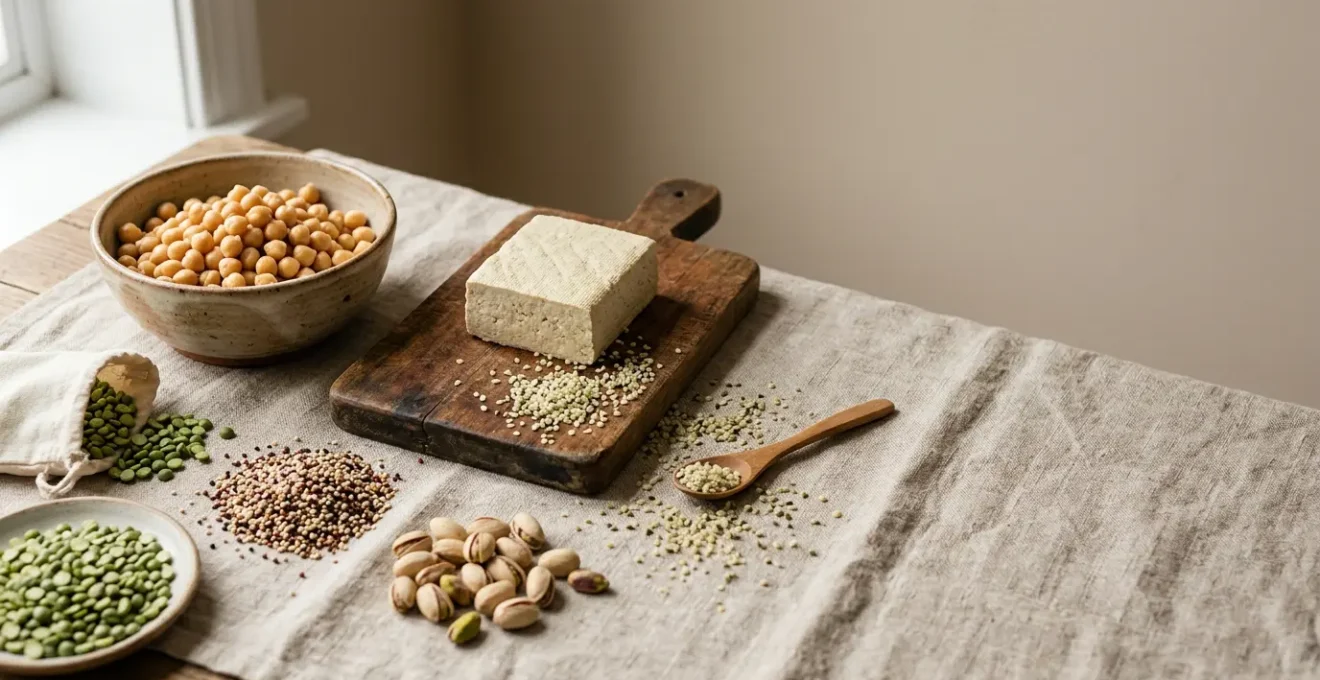
Contrary to popular belief, hitting your protein goals on a plant-based diet isn’t about endless plates of beans; it’s about strategic protein selection and culinary science.
- The “complete protein” myth causes unnecessary anxiety; your body creates complete proteins from all the amino acids you eat throughout the day.
- Meal satisfaction comes from mastering umami and texture, not just protein quantity, to replicate the feeling of a hearty meal.
- As you age, the efficiency of protein use declines, making *how* and *when* you eat protein more important than ever for muscle maintenance.
Recommendation: Shift your focus from protein volume to protein quality and synergy. Start by incorporating one higher-density protein source like tempeh or seitan into your week, and pay attention to building flavour and texture in your meals.
For many UK flexitarians and vegetarians, the desire to eat more plants runs into a frustrating wall: the protein problem. You’re conscious of maintaining energy levels and hard-earned muscle, but the thought of another lentil bolognese or a mountain of chickpeas feels uninspired. Common advice often circles back to the same tired refrains: eat more beans, snack on nuts, and don’t forget the tofu. While well-intentioned, this approach often leads to meal monotony, digestive discomfort, and a nagging worry that you’re simply not getting enough.
This anxiety is frequently fuelled by outdated nutritional concepts and a failure to address a crucial part of eating: satisfaction. We are led to believe that plant-based eating is a game of nutritional Tetris, meticulously combining foods to avoid some dreaded deficiency. But what if the key wasn’t about volume, but about strategy? What if achieving protein adequacy and genuine meal enjoyment weren’t mutually exclusive?
As a plant-based sports nutritionist, I’m here to show you a different path. This isn’t about simply listing high-protein vegetables. It’s about shifting your mindset from one of scarcity and compensation to one of creativity and abundance. We will dismantle the myths that hold you back, explore the science of satisfaction, and give you a strategic toolkit to build a plant-forward diet that supports your fitness goals, delights your taste buds, and keeps you feeling strong and vital for years to come.
This guide provides a clear roadmap to navigate the world of plant protein with confidence. We will cover everything from the foundational science to the practical application in your kitchen, ensuring you have all the tools to thrive.
Summary: Beyond the Bean Pile: A Strategic Guide to Plant Protein
- Why the Complete Protein Myth Keeps Plant Eaters Unnecessarily Anxious?
- How to Create a Plant-Based Meal That Feels as Satisfying as a Steak Dinner?
- Tofu, Tempeh, or Seitan: Which Plant Protein Best Matches Your Fitness Goals?
- The Bloating Trap That Hits New Plant Protein Eaters in Week One
- How Much Plant Protein Does a 50-Year-Old Moderately Active UK Adult Actually Need?
- How to Improve Cardiovascular Fitness When Running Hurts Your Joints?
- Why Doctors Now Call Muscle Your Longevity Organ and What This Means for You?
- Why Lifting Weights After 40 Matters More Than Any Cardio for Long-Term Health?
Why the Complete Protein Myth Keeps Plant Eaters Unnecessarily Anxious?
The single greatest source of anxiety for new plant-eaters is the concept of “complete protein.” It’s the idea that you must meticulously combine different plant foods at every single meal (like rice and beans) to get all nine essential amino acids. This myth is not only outdated and impractical, but it’s also scientifically unfounded. Your body is far smarter than that. It maintains a pool of amino acids from the foods you eat throughout the day. As long as you consume a variety of plant sources over a 24-hour period, your body will have all the building blocks it needs.
The real key to muscle protein synthesis (MPS)—the process of building and repairing muscle—isn’t about “completeness” in a single meal, but about hitting a specific threshold of one particular amino acid: leucine. Think of leucine as the “on” switch for muscle growth. Recent research published in 2024 demonstrates that hitting a target of around 2.9g of leucine per meal is the crucial trigger. This is achievable with a thoughtful serving of soy, lentils, or pumpkin seeds, proving it’s about strategy, not just a vague notion of “completeness”.
Leading experts have been working to dismantle this myth for years, emphasising that variety over the course of a day is all that is required. As registered dietitian Jeff Novick clarifies in his guide for Forks Over Knives:
Any single whole natural plant food, or any combination of them, if eaten as one’s sole source of calories for a day, would provide all of the essential amino acids and not just the minimum requirements but far more than the recommended requirements.
– Jeff Novick, MS, RD, Forks Over Knives – Plant-Based Protein Guide
Letting go of this myth is the first step towards a more relaxed and enjoyable approach to plant-based eating. Focus on variety and sufficiency across your day, not a stressful puzzle at every meal.
How to Create a Plant-Based Meal That Feels as Satisfying as a Steak Dinner?
One of the biggest hurdles for those transitioning away from meat is replicating the deep, savoury satisfaction of a traditional meal like a steak dinner. This feeling doesn’t just come from protein content; it’s a complex interplay of flavour, texture, and mouthfeel. The secret weapon in a plant-based kitchen is mastering the fifth taste: umami. Umami is the rich, savoury, “meaty” flavour found in foods like mushrooms, aged cheeses, and cooked meats. Fortunately, the plant kingdom is brimming with umami-rich ingredients.
To build what I call “culinary architecture” for a satisfying meal, focus on layering these three elements:
- Umami Bombs: Incorporate ingredients like miso paste, tamari or soy sauce, nutritional yeast, sun-dried tomatoes, and especially mushrooms (shiitake are a powerhouse). Sautéing mushrooms until they are deeply browned and caramelised unlocks their maximum umami potential.
- Textural Playground: A meal of only soft textures is boring. You need contrast. Think of the seared crust on a steak. You can achieve this with plants by roasting vegetables until crisp, adding crunchy nuts or seeds, pan-frying tofu until golden, or using chewy grains like farro or barley.
- Healthy Fats: Fat carries flavour and contributes to a feeling of satiety. Avocado, olive oil, tahini, and nuts not only add richness but also improve the absorption of fat-soluble vitamins. A drizzle of toasted sesame oil at the end of a dish can transform it.
By consciously building these layers into your meals, you move beyond simply assembling ingredients and start composing a truly satisfying culinary experience. The intricate textures and deep flavours of these umami-rich plant ingredients are the key.
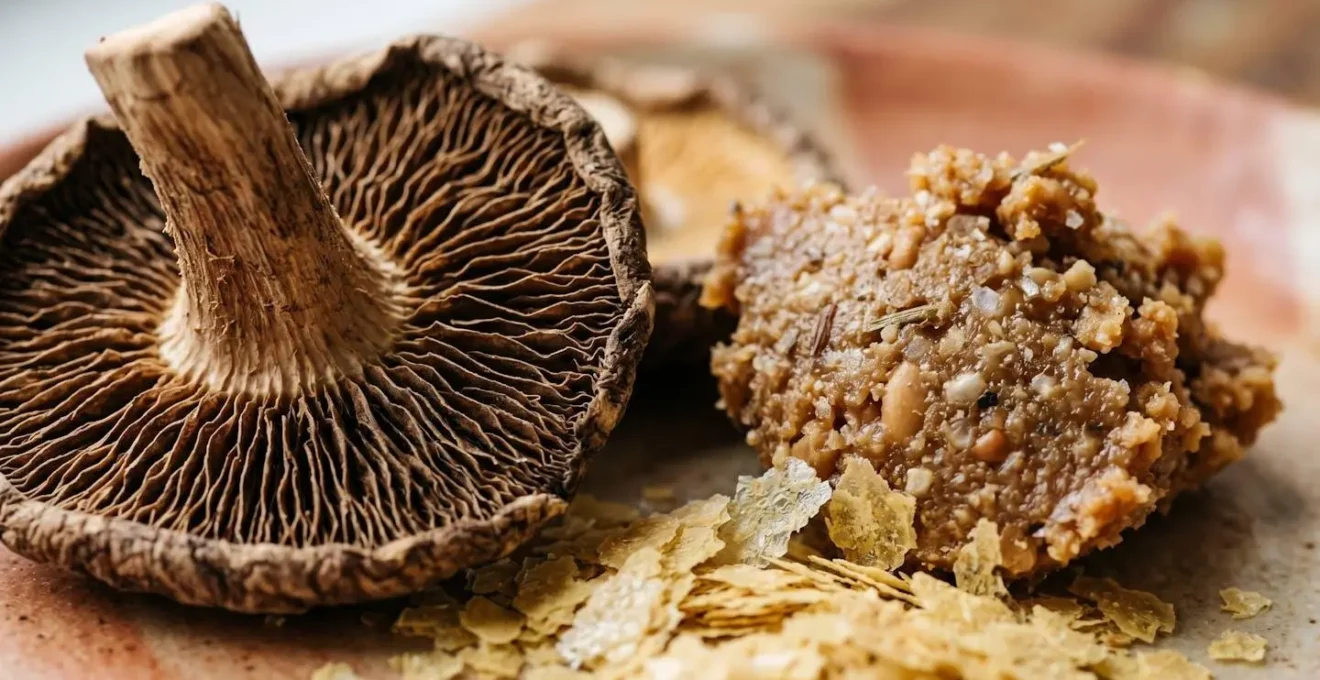
As this image reveals, ingredients like dried mushrooms and miso paste have a profound complexity. By learning to harness their power, you’re not just making a “substitute” for a meat dish; you’re creating something that is deeply flavourful and satisfying in its own right. A stir-fry with pan-seared tempeh, caramelised shiitake mushrooms, and a tamari-ginger sauce can be just as fulfilling as any steak.
Tofu, Tempeh, or Seitan: Which Plant Protein Best Matches Your Fitness Goals?
Once you move past beans and lentils, the world of plant protein opens up to three incredible staples: tofu, tempeh, and seitan. They are not interchangeable. Each has a unique nutritional profile and texture, making them better suited for different fitness goals. Thinking like a nutritionist means choosing the right tool for the job. Are you in a muscle-building phase (hypertrophy)? A fat-loss phase (cutting)? Or simply maintaining your current physique?
Understanding the key differences in protein density and digestibility is crucial for optimising your diet. While tofu is an excellent all-rounder, the higher protein content of seitan or the gut-friendly properties of tempeh might be more beneficial depending on your specific needs. Selecting the right protein source can make a significant difference in hitting your macros without excessive volume and supporting your digestive system in the process.
This table breaks down the key characteristics of each, helping you align your food choices with your fitness ambitions. The data, drawn from a comparative analysis of plant-based protein sources, provides a clear guide for your meal planning.
| Plant Protein | Protein Content (g/100g) | Key Digestibility Factor | Best Use Case |
|---|---|---|---|
| Tofu | 12.5 | Neutral base, complete amino acid profile | Maintenance phase, versatile daily staple |
| Tempeh | 18.5 | Fermented for enhanced digestibility, high fiber | Cutting phases, gut health focus |
| Seitan | 24.1 | Highest protein density, comparable to turkey breast | Hypertrophy phases, muscle building |
As you can see, if your goal is hypertrophy (muscle building), seitan is a clear winner with its unparalleled protein density. It allows you to hit high protein targets with less food volume. For a cutting phase or if you’re focusing on gut health, tempeh is an outstanding choice. Its fermentation process pre-digests some components, making it easier on the stomach, while still packing a solid protein punch. Tofu remains the versatile maintenance workhorse, easily adaptable to any dish and providing a solid baseline of quality protein.
The Bloating Trap That Hits New Plant Protein Eaters in Week One
You’ve enthusiastically embraced a more plant-forward diet, loading up on beans, lentils, and whole grains. But by the end of week one, you feel… uncomfortable. Bloating, gas, and a general sense of digestive distress are incredibly common when rapidly increasing fibre and plant protein intake. This “bloating trap” can be so discouraging that it causes many people to give up. The good news is that this is usually a temporary phase of adaptation, not a permanent state.
The issue stems from two main factors. First, your gut microbiome—the trillions of bacteria in your digestive system—needs time to adjust to the new influx of fibre. The “good” bacteria that feast on fibre will eventually flourish, but the transition can be turbulent. Second, legumes contain compounds like lectins and phytates, which can interfere with digestion. The key is not to eliminate these incredibly healthy foods, but to introduce them strategically and prepare them properly to give your system time to adapt.
This process is what I call “digestive adaptation.” Instead of shocking your system with a sudden deluge of high-fibre beans, you can climb a “Low-Bloat Ladder,” starting with the most easily digestible proteins and gradually working your way up. This allows your gut to build the necessary enzymes and microbial populations at a manageable pace.
Your Action Plan: The Low-Bloat Plant Protein Ladder
- Level 1 (Easiest to digest): Start with plant-based protein powders (pea/rice blends), silken and firm tofu. These have minimal fibre and their proteins are processed for easy absorption, reducing the digestive load.
- Level 2 (Moderate digestibility): Introduce red lentils (which are hulled, meaning less fibre), fermented tempeh, and edamame. The fermentation of tempeh and processing of edamame make them gentler on the gut.
- Level 3 (Requires adaptation): Gradually add chickpeas, black beans, and kidney beans. To minimize their anti-nutrient content, always soak them overnight (adding a pinch of baking soda to the water helps) and consider pressure cooking, which is highly effective at breaking down lectins and phytates.
- Pro Tip: Throughout this process, introduce probiotic-rich foods like kimchi, sauerkraut, and unpasteurised miso alongside your new protein sources. These support your gut’s microbial team, helping them adapt more quickly.
By following this ladder, you’re not fighting against your body; you’re working with it. You’re systematically training your digestive system to handle a wider variety of beneficial plant foods, setting yourself up for long-term success without the initial discomfort.
How Much Plant Protein Does a 50-Year-Old Moderately Active UK Adult Actually Need?
Nutritional needs are not static; they evolve throughout our lives. One of the most significant shifts happens after the age of 40-50, particularly concerning protein. While the general recommendation for adults is around 0.8 grams of protein per kilogram of body weight, this figure is increasingly seen as a bare minimum, especially for older adults. The reason is a phenomenon called anabolic resistance. This means that as we age, our muscles become less responsive to the stimulus of protein, so we need a larger dose to trigger the same amount of muscle protein synthesis (MPS).
This has profound implications for maintaining muscle mass, strength, and metabolic health as we get older. Simply eating the same amount of protein as a 25-year-old is not enough to preserve your “longevity organ”—your muscle. To overcome anabolic resistance, the focus must shift towards higher protein intake, distributed thoughtfully throughout the day. A 2024 comprehensive analysis found that older adults may need a significantly larger dose per meal to stimulate muscle growth effectively, sometimes as much as a 68% greater protein dose required compared to younger individuals for the same anabolic effect.
So, what’s a practical target? Instead of just a daily total, experts now recommend focusing on a per-meal protein goal. As stated by Stanford Lifestyle Medicine, a target of 30-35 grams of protein per meal is recommended for adults over 50. For a 70kg (approx. 11 stone) moderately active adult, this translates to a daily intake of 90-105g, or around 1.3-1.5g per kg of body weight—well above the old standard.
Achieving this with plants requires a strategic approach. It’s not about huge portions, but about protein density. A breakfast of toast and jam won’t cut it. Instead, a breakfast built around scrambled tofu, a scoop of protein powder in your porridge, or a high-protein plant-based yoghurt with seeds becomes essential for hitting that crucial morning protein target and kick-starting muscle maintenance for the day.
How to Improve Cardiovascular Fitness When Running Hurts Your Joints?
For many active adults, the desire to maintain cardiovascular fitness clashes with the reality of aching joints. High-impact activities like running can become a source of pain rather than pleasure, particularly for those with conditions like rheumatoid arthritis or general wear and tear. While low-impact alternatives like swimming, cycling, and rowing are excellent solutions, your diet can play a surprisingly powerful and supportive role in managing the underlying inflammation that contributes to joint pain.
A plant-predominant diet is naturally rich in anti-inflammatory compounds—phytochemicals, antioxidants, and fibre—while being lower in inflammatory triggers like saturated fat found in many animal products. This dietary shift can create a systemic environment that soothes inflammation from the inside out. In fact, a systematic review published in 2025 showed that plant-based diets led to significant reductions in key inflammatory markers like C-reactive protein and improvements in disease activity scores for patients with rheumatoid arthritis.
This isn’t just a theoretical benefit; it has a tangible impact on quality of life and the ability to stay active. By reducing background levels of inflammation, you can lower joint pain and stiffness, making all forms of movement more comfortable and sustainable.
Case Study: Reducing Joint Pain Through Diet
A powerful clinical study illustrates this effect perfectly. Researchers examined patients who adopted a whole-food vegan diet and observed a remarkable 53% reduction in joint pain after just four months. This demonstrates that dietary intervention isn’t just a minor tweak; it can be a primary strategy for improving joint comfort. The study also highlighted the benefits of the Mediterranean diet, another plant-rich eating pattern, suggesting that the core principle of increasing fruit, vegetable, and healthy fat intake is key. This reduction in pain can be the difference that allows someone to comfortably engage in low-impact cardio, thereby protecting their cardiovascular health without punishing their joints.
Ultimately, a plant-based diet can be a powerful ally in your fitness journey. It doesn’t just fuel your workouts; it can help create the pain-free conditions your body needs to perform them consistently.
Why Doctors Now Call Muscle Your Longevity Organ and What This Means for You?
For decades, we’ve viewed muscle as something purely for athletes or bodybuilders—a matter of aesthetics or performance. However, a major shift is underway in medicine. Researchers and doctors are now referring to skeletal muscle as our “longevity organ.” This reframing is critical. It positions muscle not as a vanity project, but as the central regulator of our health and resilience as we age.
Your muscle is a “metabolic bank account.” When it’s healthy and abundant, it does far more than just move you around. It plays a crucial role in:
- Blood Sugar Control: Muscle is the primary site for glucose disposal. More muscle means better insulin sensitivity and a lower risk of type 2 diabetes.
- Inflammation Regulation: During contraction, muscles release anti-inflammatory signaling molecules called myokines, which help combat chronic, low-grade inflammation throughout the body.
- Metabolic Rate: Muscle is metabolically active tissue. The more you have, the higher your resting metabolic rate, making it easier to maintain a healthy body composition.
- Resilience and Recovery: In times of illness or injury, your body can break down muscle to provide amino acids for immune function and repair. Having a larger reserve is like having a better insurance policy.
The age-related loss of muscle, known as sarcopenia, is therefore not just a loss of strength but a decline in your body’s entire regulatory system. This is why preserving—and even building—muscle after 40 is so vital. And the primary dietary tool for this is adequate protein. As shown in a 2025 clinical trial demonstrated that a moderately high protein intake of 1.2 g/kg body weight per day led to significant improvements in muscle strength and composition in older adults. This protein provides the essential building blocks not just for bigger biceps, but for a healthier, more resilient life.
Viewing your weekly resistance training and your protein-focused meals through this lens changes everything. You’re not just working out; you’re making a deposit into your healthspan account. You’re not just eating a tempeh stir-fry; you’re funding your body’s most important organ for longevity.
Key Takeaways
- Stop worrying about “complete protein” at every meal; focus on variety throughout the day and hitting your leucine threshold.
- Build satisfying meals by mastering umami, texture, and healthy fats—the “culinary architecture” of a great dish.
- Choose your protein source (Tofu, Tempeh, Seitan) strategically based on your specific fitness goals (maintenance, cutting, or muscle building).
Why Lifting Weights After 40 Matters More Than Any Cardio for Long-Term Health?
Cardiovascular exercise is rightly celebrated for its benefits to heart and lung health. However, as we move past the age of 40, the hierarchy of exercise priorities should shift. While cardio remains important, resistance training (lifting weights) becomes the single most critical activity for ensuring long-term health, mobility, and metabolic function. This is directly tied to the role of muscle as our “longevity organ.” After 40, we naturally begin to lose muscle mass and strength at an accelerated rate if we don’t actively fight it.
Lifting weights is the most potent signal you can send to your body to build and maintain this crucial muscle tissue. This process directly counteracts sarcopenia, improves bone density (reducing osteoporosis risk), and maintains the metabolic engine that regulates blood sugar and inflammation. Cardio is about keeping the engine running; lifting weights is about making sure you have a powerful engine to begin with. Without a strong muscular framework, our ability to perform daily activities—from carrying groceries to getting up from a chair—diminishes over time.
For those on a plant-based diet, the question often arises: can plants truly fuel this muscle-building process as effectively as animal protein? The answer is an emphatic yes, provided it’s done strategically. A common concern is whether plant proteins can stimulate muscle protein synthesis (MPS) as well as whey protein, the long-held gold standard. Modern research shows this concern is largely unwarranted.
A recent study from Current Developments in Nutrition directly addresses this, providing a powerful conclusion for plant-based lifters:
Consumption of plant-based protein isolate with added leucine stimulated muscle protein synthesis to a similar extent as whey protein in young men and women. Plant-based proteins containing higher leucine content promote anabolism to a similar extent as animal-based proteins.
– Current Developments in Nutrition, Muscle Protein Synthesis in Response to Plant-Based Protein Isolates
This confirms the point: strategy is everything. By focusing on leucine-rich plant sources (like soy, pumpkin seeds, and lentils) or supplementing smartly, you give your body the exact same anabolic signal as traditional protein sources. This means your commitment to a plant-based lifestyle and your commitment to building strength after 40 are perfectly compatible, working together to build a more resilient, healthier future.
Your journey to mastering plant-based protein isn’t about restriction; it’s about empowerment. By understanding these principles, you can confidently build a diet that not only meets your nutritional needs but also supports your strength, vitality, and long-term health for decades to come. Begin today by applying one of these strategies to your next meal.