
Building your child’s immunity isn’t about ‘boosting’ it with magic potions, but about acting as its master programmer during their first 1000 days.
- Early nutrition doesn’t just feed your baby; it sends epigenetic signals that shape immune responses for life.
- Exposure to a diverse range of microbes from the natural world is not a threat, but essential ‘training data’ for a balanced immune system.
- Minor infections and vaccines are controlled training sessions that build a robust immune memory, preventing future disease.
Recommendation: Focus on providing diverse nutritional and environmental ‘information’ to your child’s developing immune system, rather than trying to create a sterile, germ-free bubble.
As a UK parent, you want to give your child the very best start in life. You diligently research car seats, track developmental milestones, and ensure they get enough sleep. But one of the most profound gifts you can give is invisible: a resilient, well-calibrated immune system. The period from conception to their second birthday—the first 1000 days—is a critical window of opportunity. During this time, the foundations of their lifelong health are laid, and the immune system, in particular, is undergoing its most intense period of development.
Common advice often revolves around « boosting » immunity, a term that conjures images of supercharging a defence force with colourful gummies and fizzy vitamin drinks. We’re told to breastfeed, keep things clean, and ensure they eat their greens. While well-intentioned, this view is incomplete. It misses the fundamental truth of early-life immunology: the immune system doesn’t just need to be strengthened; it needs to be educated. It needs to be programmed.
What if the key wasn’t simply to avoid germs, but to strategically introduce the right information? This article reframes your role from a simple guardian to an ‘immune programmer’. We will explore how you can use nutrition, environmental exposure, and even managed illnesses as essential training data to shape a robust and balanced immune system for your child. We’ll move beyond the marketing hype to understand the science of immune programming, giving you the confidence to make informed decisions that will echo for decades to come.
This guide will walk you through the core pillars of early immune development. You will learn how diet acts as a genetic programmer, why a little dirt can be a good thing, and how to distinguish between genuine immune support and clever marketing.
Summary: How the First 1000 Days Programme Your Child’s Lifelong Immunity
- Why What Your Baby Eats in Year One Programmes Their Immune System for Life?
- Why Being Too Clean Might Weaken Your Child’s Immune System?
- Which Foods and Supplements Actually Boost Children’s Immunity and Which Are Marketing?
- Why Some Childhood Infections Actually Train the Immune System and Should Not Be Over-Treated?
- How Many Colds Per Year Are Normal for Children and When Should You Worry?
- How to Feed 30 Different Plant Foods to Your Gut Bacteria Every Week?
- How Do Vaccines Actually Train Your Immune System Without Causing Disease?
- What Every UK Parent and Adult Needs to Know About Vaccines Beyond the Headlines?
Why What Your Baby Eats in Year One Programmes Their Immune System for Life?
The food your baby consumes in their first year does far more than provide calories for growth; it acts as a set of instructions for their developing immune system. This concept, known as nutritional programming, is rooted in the science of epigenetics. Epigenetics refers to changes in how your genes work, which are influenced by behaviours and environment. Essentially, early nutrition can ‘switch’ certain immune-related genes on or off, with effects that can last a lifetime.
This isn’t just a vague theory. Specific nutrients have been shown to have a direct impact on this programming. Research confirms that factors like folic acid levels can create clear epigenetic effects on the developing immune system, influencing its long-term trajectory. This means the dietary choices made in infancy can help determine a child’s susceptibility to allergies, asthma, and other immune-related conditions later in life.
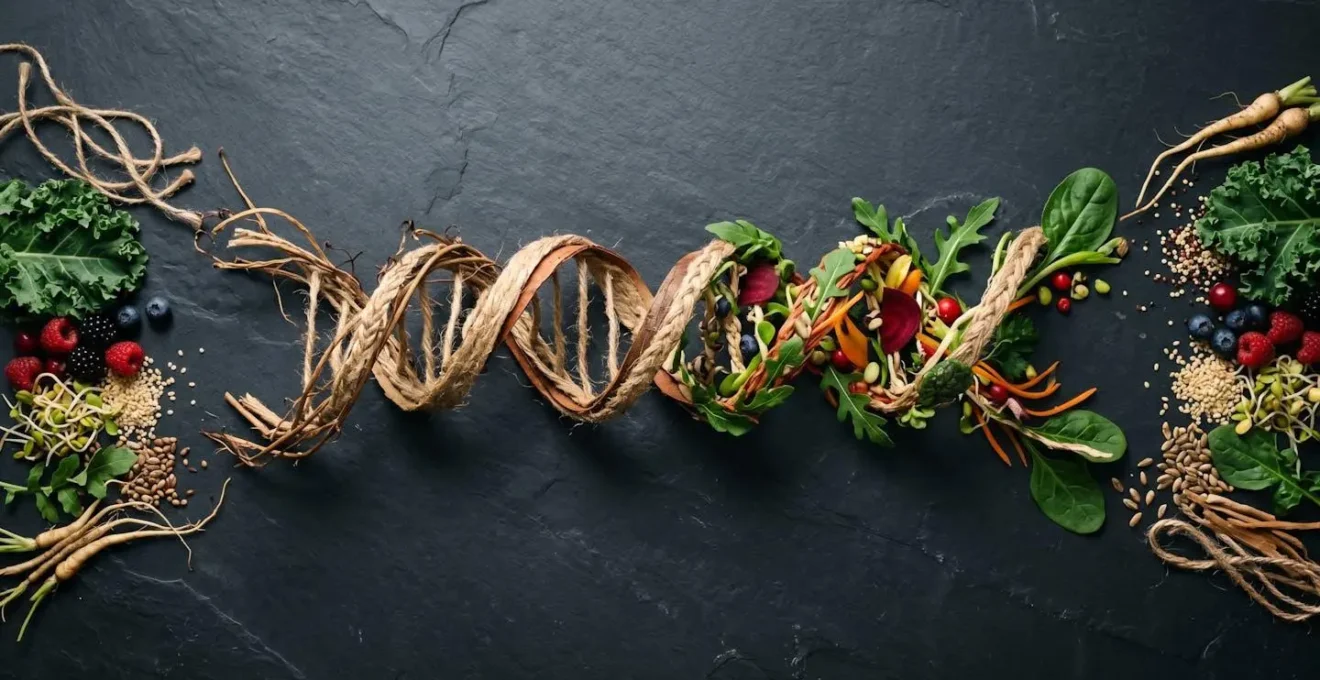
Think of your baby’s DNA as a complex keyboard. The genes are the keys, but nutrition is the musician that decides which keys to play, in what order, and how loudly. A diet rich in diverse, whole foods provides the right ‘music’ for a balanced and effective immune response. This programming establishes the foundational settings for how their body will react to pathogens, allergens, and even its own cells for years to come. It’s a powerful demonstration that you are not just feeding a baby, you are coding their future health.
Why Being Too Clean Might Weaken Your Child’s Immune System?
In our modern desire to protect our children, we’ve created environments that are cleaner than ever before. While hygiene is crucial for preventing serious diseases, an excess of sterility can paradoxically leave a child’s immune system inexperienced and poorly calibrated. The « Hygiene Hypothesis, » and its more refined successor, the « Old Friends Hypothesis, » proposes that a lack of exposure to a wide variety of microbes in early life can lead to an imbalanced immune system, one that is more prone to overreacting to harmless substances like pollen or certain foods, resulting in allergies and asthma.
This isn’t about seeking out dangerous pathogens. It’s about re-establishing a connection with the ‘old friends’—the harmless microorganisms from soil, animals, and the natural world that have co-evolved with humans for millennia. This early microbial education is essential. It teaches the immune system to differentiate between real threats and benign environmental inputs, a process known as developing immune tolerance.
Case Study: The Amish and the Power of a Farm Environment
A compelling real-world example of this principle comes from studies comparing Amish and Hutterite farming communities. Despite similar genetic backgrounds, the Amish, who practice traditional farming methods involving close contact with livestock and an unpasteurised environment, have remarkably low rates of asthma and allergies. In contrast, the Hutterites, who use industrialised, modern farming techniques, have allergy rates more typical of Western societies. A study into this phenomenon found that Amish children showed biomarkers of enhanced immunoregulation, demonstrating how exposure to a rich and diverse microbial world actively strengthens and balances the immune system.
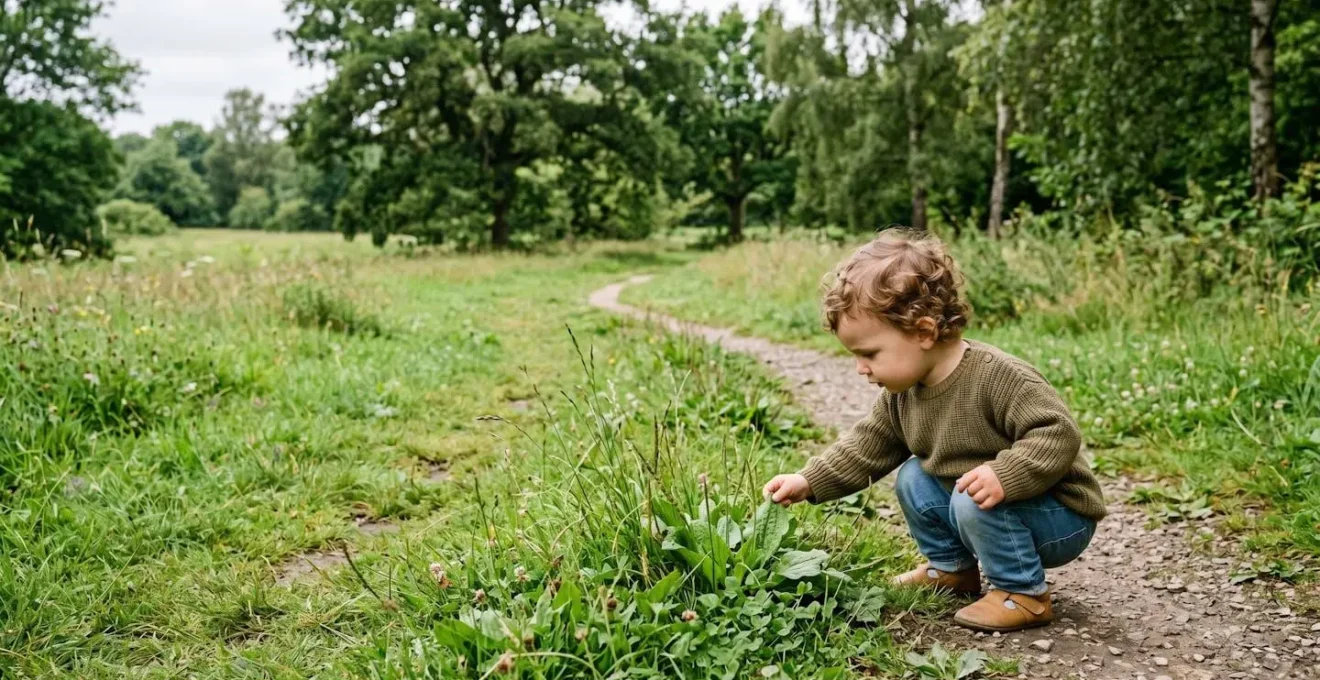
For parents, the takeaway is not to abandon handwashing, but to embrace sensible exposure. Letting your child play in the garden, interact with family pets, and spend time in nature provides their immune system with the diverse ‘training data’ it needs to become robust and intelligent. A little bit of dirt might just be one of the most important ‘supplements’ you can provide.
Which Foods and Supplements Actually Boost Children’s Immunity and Which Are Marketing?
The market for children’s supplements is booming, with countless products promising to « boost » immunity. While certain vitamins and minerals are undeniably essential for immune function (like Vitamins C and D, and Zinc), the most powerful immune support comes not from a bottle, but from your child’s daily diet. The focus should be on whole foods that provide a complex synergy of nutrients, fibre, and prebiotics that a supplement simply cannot replicate.
Breast milk is the gold standard of immune-supportive food. Beyond its rich antibody content, it contains a remarkable component called Human Milk Oligosaccharides (HMOs). These are not for the baby’s direct nutrition, but are complex sugars designed to feed beneficial bacteria in the infant’s gut. In fact, human milk contains over 200 distinct oligosaccharides, each playing a role in shaping a healthy gut microbiome, which is the headquarters of the immune system. This illustrates a key principle: the best immune foods are often those that nourish our microbial allies.
Grace Aldrovandi, a Professor of Pediatrics at UCLA, explains this elegant biological synergy perfectly:
Mothers are prepared because they give you bacteria and then they pack a lunch for the bacteria, which are the HMOs.
– Grace Aldrovandi, Professor of Pediatrics, UCLA Mattel Children’s Hospital, STAT News Interview
When it comes to supplements, it’s crucial to be discerning. For many children in the UK, a Vitamin D supplement is recommended by the NHS, especially during the autumn and winter months, as it’s difficult to get enough from sunlight and food alone. However, for most other nutrients, a varied and balanced diet is superior. Instead of reaching for an « immune-boosting » syrup, focus on incorporating a rainbow of fruits and vegetables, fibre-rich whole grains, and fermented foods like yoghurt. These provide the raw materials for a healthy microbiome and a well-functioning immune system, no marketing hype needed.
Why Some Childhood Infections Actually Train the Immune System and Should Not Be Over-Treated?
The instinct to protect a child from every sniffle and fever is natural. However, common, mild childhood illnesses are not just a nuisance; they are an essential part of the immune system’s on-the-job training. Each time a child encounters a new virus, their immune system mounts a response, creating antibodies and, crucially, immune memory cells (B-cells and T-cells). These memory cells are like a library of past encounters, allowing the body to recognise and defeat the same pathogen much faster and more effectively in the future.
This ‘training’ process is vital for building a robust and experienced immune system. Trying to prevent or aggressively treat every minor illness can interfere with this necessary education. A particularly critical area is the use of antibiotics. While life-saving for bacterial infections, they are ineffective against viruses (which cause common colds) and can have a significant downside. Antibiotics are indiscriminate, wiping out both harmful and beneficial bacteria in the gut, disrupting the microbiome that is so central to immune health.
The consequences of overuse can be long-lasting. Research has shown a strong link between early-life antibiotic exposure and an increased risk of immune-related disorders. For instance, a comprehensive meta-analysis found that antibiotic use before age two was associated with a nearly doubled risk of developing asthma later in life. This highlights how disrupting the body’s natural processes can lead to an immune system that is poorly calibrated and prone to overreaction.
Therefore, a key part of immune programming is judiciousness. It means trusting the body’s ability to handle minor viral infections with supportive care—rest, fluids, and comfort—rather than immediately reaching for medication. It’s about viewing those inevitable colds not as failures of protection, but as successful training sessions for a maturing immune defence force. This approach helps build a system that is not only strong but also balanced.
How Many Colds Per Year Are Normal for Children and When Should You Worry?
One of the most common anxieties for parents of young children is the seemingly endless parade of coughs and runny noses. It can feel like your child is constantly sick, leading to worries about a « weak » immune system. The reality, however, is that frequent colds are a normal—and necessary—part of childhood. A child’s immune system is naive; it needs to encounter a wide variety of common viruses to build up its library of immune memory.
So, how many colds are normal? For toddlers and preschool-aged children, especially those attending nursery or school, it’s not unusual for them to have between 8 and 12 colds per year. This may seem incredibly high, but it reflects their continuous exposure to new pathogens in a group setting. Each of these episodes is a learning opportunity for their immune system. As they get older and their immune memory bank grows, the frequency of these illnesses will naturally decrease.
Instead of counting the number of colds, it is more helpful to focus on how your child recovers and the nature of their symptoms. A healthy immune system might get sick often, but it also recovers effectively. The key is to know the « red flag » symptoms that warrant a call to your GP or NHS 111. You should seek medical advice if your child:
- Has a high fever (above 38°C for under 3 months, or above 39°C for older children) that lasts for more than 5 days.
- Is having difficulty breathing (e.g., rapid breathing, wheezing, or sucking in their chest muscles).
- Shows signs of dehydration (e.g., fewer wet nappies, sunken eyes, no tears when crying).
- Is unusually drowsy, floppy, or difficult to wake.
- Develops a rash that doesn’t fade when you press a glass against it.
For most common colds, the symptoms—runny nose, cough, mild fever—will resolve on their own with rest and fluids. Trusting this process and knowing when to seek help is a cornerstone of confident parenting.
How to Feed 30 Different Plant Foods to Your Gut Bacteria Every Week?
Nourishing your child’s gut microbiome is one of the most direct ways to program their immune system for long-term health. The key to a thriving microbiome is diversity—both in the types of bacteria present and in the foods they are fed. A powerful, evidence-based goal is to aim for consuming 30 different types of plant foods each week. This may sound daunting, especially with a fussy toddler, but it’s more achievable than you think.
This « 30 plants » target includes not just fruits and vegetables, but also whole grains, legumes (beans, lentils, chickpeas), nuts, seeds, herbs, and spices. Each plant type provides unique fibres and polyphenols that feed different species of beneficial gut bacteria. A varied diet leads to a varied microbiome, and a varied microbiome is a resilient, healthy, and immune-supportive one. The goal is not large quantities, but a wide variety.
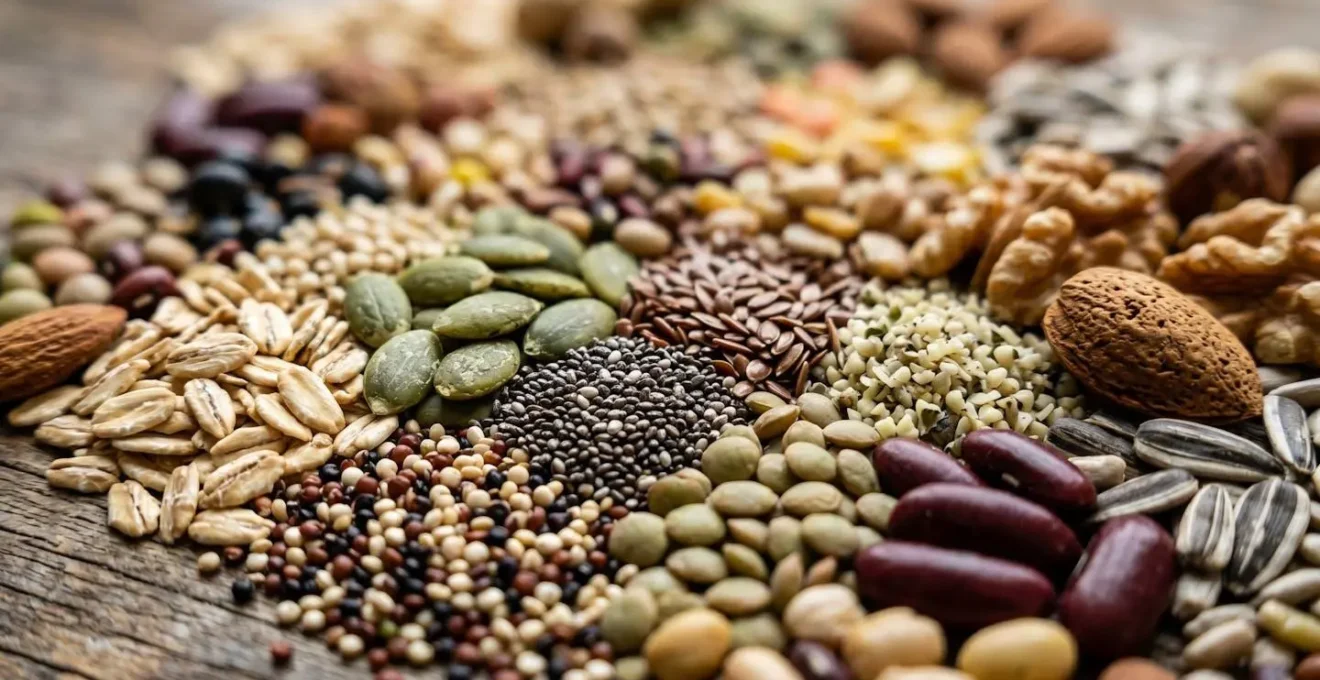
Getting started is about small, incremental changes. Think « sprinkles » and « swaps. » Can you sprinkle mixed seeds on their morning porridge? Can you add a spoonful of lentils to a bolognese sauce? Can you use a mix of different vegetables in a soup instead of just one or two? Each small addition counts towards your weekly total and provides new ‘food’ for their gut microbes.
Your Action Plan: Reaching 30 Plants a Week
- Inventory Your Staples: List the plant foods your family already eats regularly. You might be closer to the goal than you realise! Count fruits, vegetables, grains (oats, bread), and even herbs.
- Focus on ‘Rainbow’ Shopping: When you buy groceries, actively try to pick up one new or different-coloured vegetable or fruit. If you usually buy green apples, try a red one. If you always get broccoli, grab some cauliflower too.
- Embrace Mixes: Buy pre-mixed bags of salad, frozen mixed vegetables, or mixed seeds. A « fruit and nut » mix can easily add 3-5 points to your weekly count. A tin of mixed beans is another easy win.
- Utilise Herbs and Spices: Don’t forget that fresh and dried herbs (like parsley, basil, oregano) and spices (like cinnamon, turmeric, cumin) are all plants. They count! A sprinkle here and there adds up.
- Track Your Progress: Keep a simple tally on the fridge for one week. This makes it a fun challenge and helps you see where you can easily add more variety. For example: Monday – oats, banana, almonds (+3); Tuesday – wholewheat bread, tomato, lettuce, lentils (+4).
Key Takeaways
- Immune development is about ‘programming’ and ‘education’, not just ‘boosting’.
- The first 1000 days are a critical window where nutrition and environment set lifelong immune patterns.
- A diverse diet, sensible microbial exposure, and allowing the body to manage minor illnesses are key strategies for building a resilient immune system.
How Do Vaccines Actually Train Your Immune System Without Causing Disease?
If minor illnesses are ‘on-the-job training’ for the immune system, then vaccines are the ultimate safe and controlled ‘training simulation’. They are arguably the single most effective tool we have for programming a child’s immune system to fight off serious, life-threatening diseases. The genius of vaccination lies in its ability to teach the body how to win a fight without ever having to go through the actual dangerous battle.
Vaccines work by introducing a harmless piece of a pathogen—or a weakened or inactivated version of it—to the immune system. This piece is called an antigen. It’s like showing your immune system a « most wanted » poster of the germ. The antigen is enough to trigger an immune response, but it is incapable of causing the actual disease. Your child’s immune cells recognise this antigen as foreign and get to work.
The process that follows is a highly sophisticated training exercise. The immune system produces antibodies specifically designed to neutralise this threat. More importantly, it creates long-lasting memory B-cells and T-cells. These memory cells remain in the body for years, sometimes for a lifetime. If your child is ever exposed to the real, live pathogen in the future, these memory cells will immediately recognise it and launch a swift and powerful defence, destroying the germ before it can take hold and cause illness.
In essence, a vaccine provides all the educational benefits of a natural infection without any of the risks. It’s a precisely targeted piece of ‘training data’ that prepares the immune system for a specific, dangerous enemy. This allows your child to build a robust defence against diseases like measles, tetanus, and meningitis, which are far too dangerous to be considered acceptable ‘on-the-job training’.
What Every UK Parent and Adult Needs to Know About Vaccines Beyond the Headlines?
Now that we understand how the immune system is programmed, we can see vaccines in their proper context: they are a critical part of a holistic strategy to build lifelong health. In the UK, we are fortunate to have a robust, evidence-based vaccination programme provided by the NHS. This schedule has been meticulously designed by experts to protect children at the ages they are most vulnerable to specific diseases.
Thinking like an ‘immune programmer’ means seeing the NHS vaccination schedule not as a series of disconnected appointments, but as a carefully curated curriculum for your child’s immune system. Each vaccine is a vital lesson, delivered at the optimal time to ensure maximum protection. Engaging with this schedule is one of the most powerful, proactive steps you can take to safeguard your child’s future health against preventable and often devastating illnesses.
The core message of this article is one of empowerment. You have a profound influence over your child’s developing immunity through the controllable factors of nutrition, environmental exposure, and vaccination. By focusing on providing diverse ‘training data’—from a rainbow of plant foods to the safe antigens in vaccines—you are not just preventing sickness today; you are building a resilient, intelligent, and balanced immune system that will serve them for their entire life.
To ensure your child benefits from this crucial form of immune training, familiarise yourself with the routine immunisation schedule on the official NHS website and discuss any questions you have with your GP or health visitor.